Request A Quote

Close
  • Request A Quote
  • Our Water Tanks

    Rainwater harvesting, back-up water, wastewater recycling and corrosion resistant liquid storage solutions for sustainable and responsible water consumption.

    Find Out More

    WATER TANKS

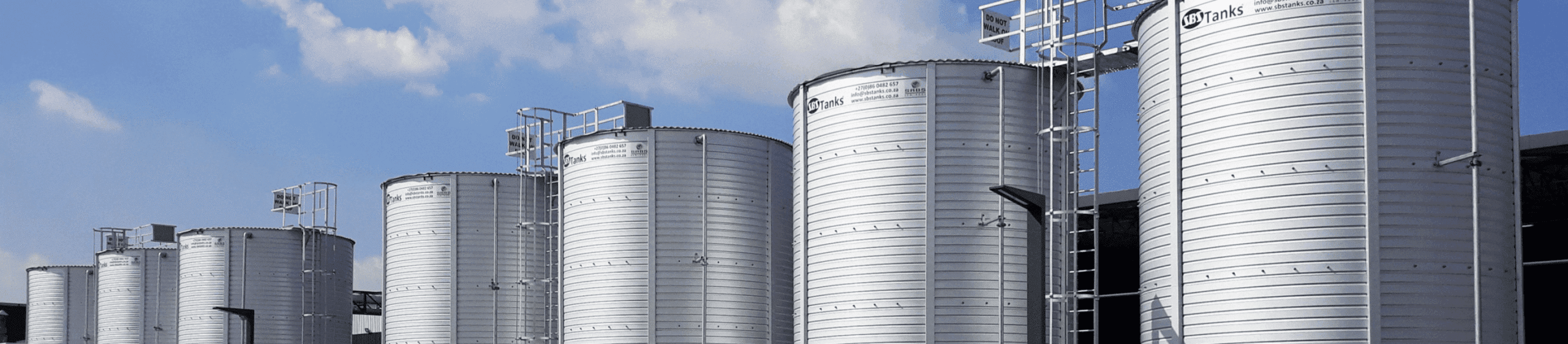
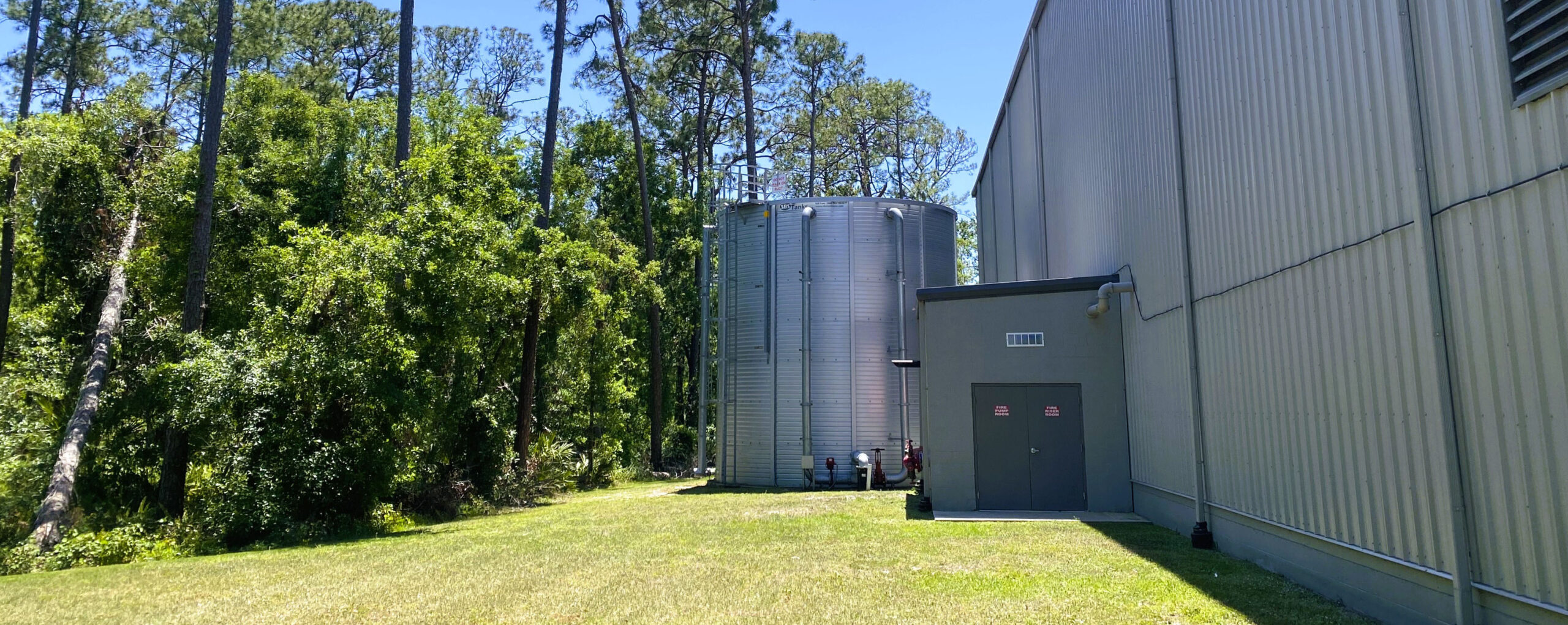
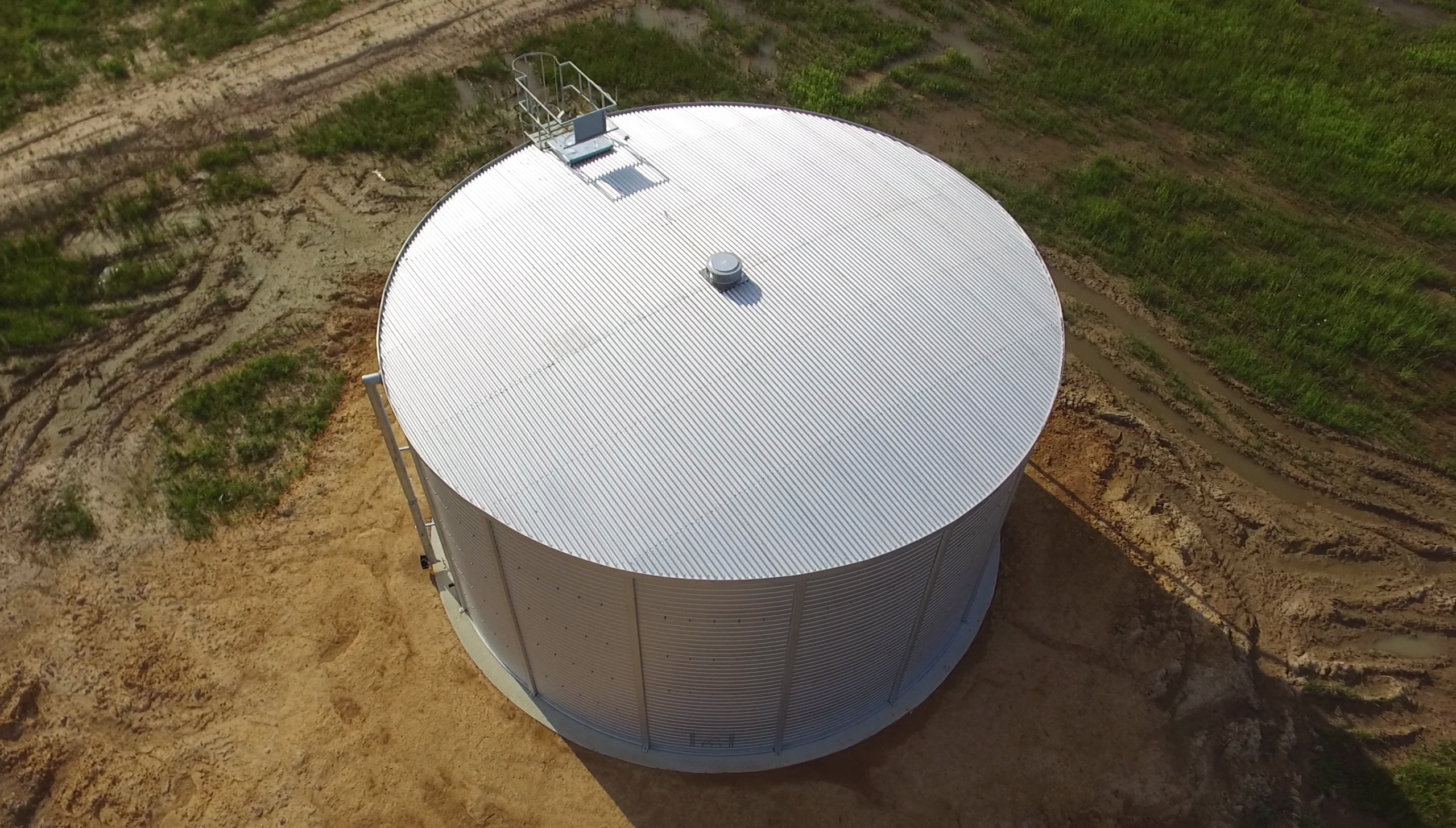
    SBS Tanks USA offers a wide range of water security solutions to meet the diverse and exacting needs of the mining, municipal, fire protection, commercial and agricultural sectors. We focus on working to develop comprehensive solutions that address the need for water conservation, off-grid, backup and fire water storage.

    Access to clean water and sanitation is a basic human right and a business necessity. The impact of climate change, population growth, the rising costs of water, water scarcity and rapid urban expansion have resulted in an increased demand for alternative water solutions. Sustainable and responsible water consumption, rainwater harvesting, and the recycling of water need to become global business and community priorities.

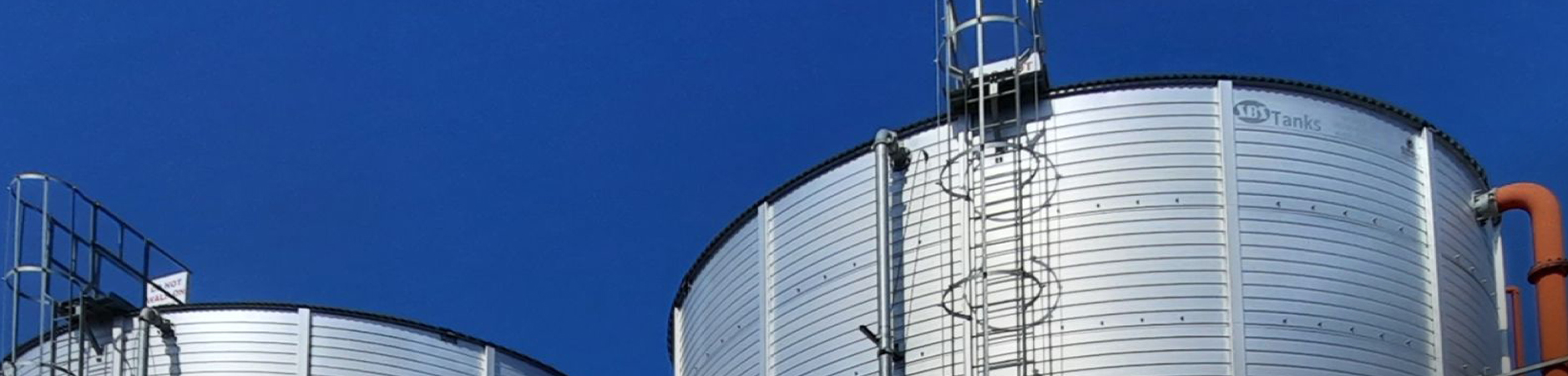
    SBS Tanks USA offers a comprehensive range of water storage tanks proven to be effective and reliable for use in the Mining, Fire Protection, Municipal, Commercial, Agricultural and Ranch and Rainwater harvesting sectors.

    Our American Footprint

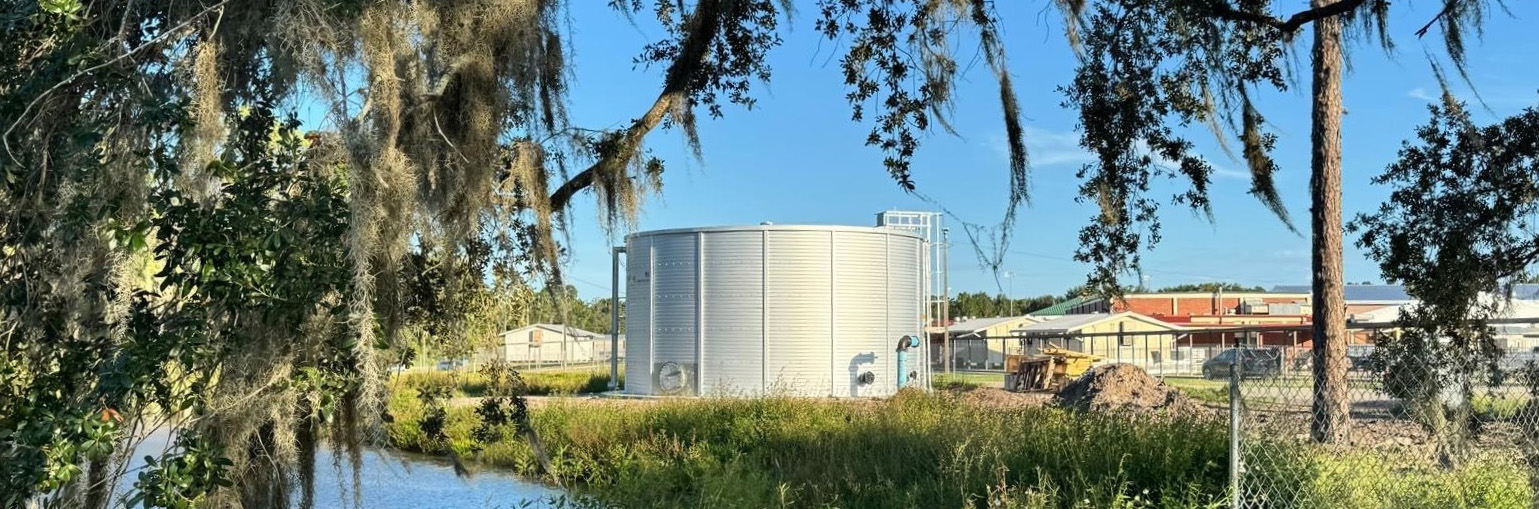
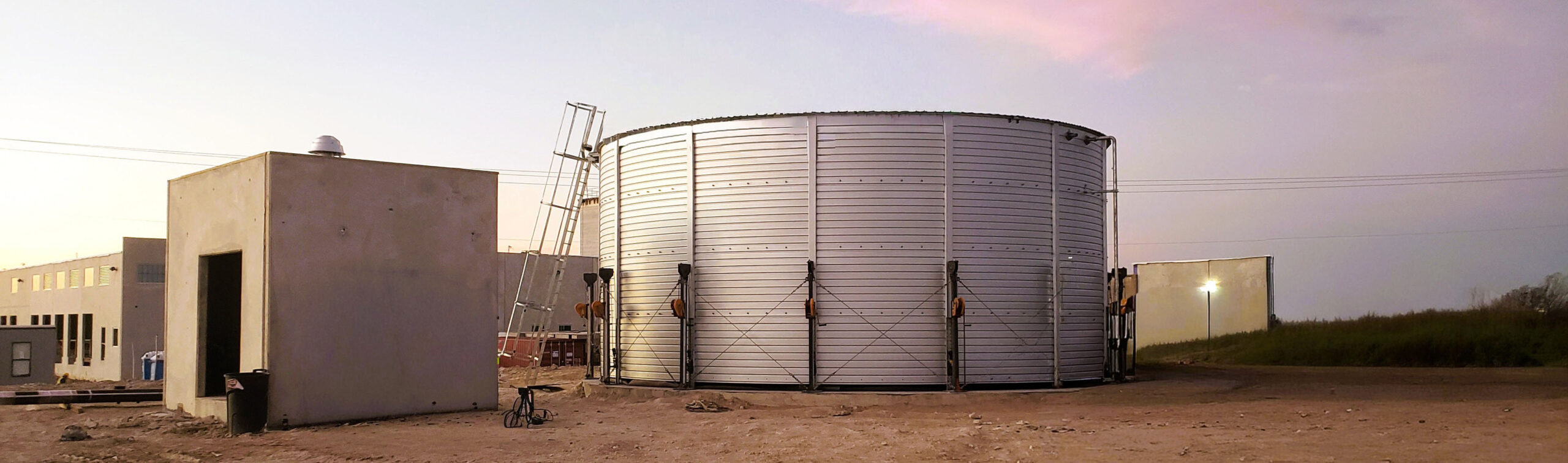
    SBS Tanks USA proudly showcases its extensive presence across the nation, symbolized by completed tank projects standing as beacons of durability & safety. With a proven track record of reliability, innovation, and excellence, we stand as the trusted leader in liquid storage solutions. Explore our range and request a quote today!

    Latest News

    We understand our clients varied needs and that each project is unique with specific requirements, and are always ready to develop a custom-designed solution. On every project, in every application, we deliver solutions that Build for Better, doing good while doing good business.

    The rapid rise of artificial intelligence is reshaping the American economy. Across the country, technology companies are investing billions of dollars in new data centers to support cloud computing, machine learning and AI-driven applications. States such as Texas, Georgia, Arizona, North Carolina, South Carolina and Tennessee have become hotspots for data center development with new facilities being planned and constructed at an unprecedented pace. Much of the conversation surrounding data centers focuses on electricity. Power availability, grid capacity and renewable energy commitments dominate headlines and planning discussions. However, another critical resource is becoming increasingly important in the design and operation of these facilities: water. As data center campuses continue to grow in size and complexity, developers, engineers, utilities and operators are beginning to recognize that water resilience may be just as important as energy resilience. From cooling systems and fire protection infrastructure to rainwater harvesting and alternative water sources, water storage is emerging as a critical component of long-term operational reliability. For companies like SBS Tanks (www.sbstanksusa.com), which designs and manufactures modular steel water storage solutions for commercial, industrial, utility, fire protection, and rainwater harvesting applications, this shift represents a growing opportunity to help data center operators build more resilient infrastructure capable of supporting future growth. Data Centers Have Become Critical Infrastructure Modern data centers are no longer simply warehouses filled with servers. They have evolved into mission-critical infrastructure supporting everything from financial transactions and healthcare systems to cloud computing platforms and artificial intelligence applications. Downtime is not merely inconvenient – it can be extraordinarily costly. As a result, data center developers routinely invest in redundant power systems, backup generators, battery storage and multiple network connections to ensure uninterrupted operation. Water resilience deserves similar consideration. While cooling technologies vary between facilities, many data centers require substantial volumes of water to support cooling operations. In regions experiencing population growth, drought conditions or increasing pressure on existing infrastructure, securing a reliable water supply is becoming an important planning consideration. This challenge is particularly evident in fast-growing markets such as Texas, Arizona, Georgia, and the Carolinas where water resources are increasingly under scrutiny and utilities are evaluating the long-term impact of large-scale developments on existing water infrastructure. Water Storage Is Becoming a Strategic Asset Historically, water storage at data centers was often viewed as a supporting utility. Today, it is increasingly being recognized as a strategic asset. Operators are looking beyond simple supply connections and considering how on-site water storage can improve operational resilience. Large-capacity storage tanks can provide backup water reserves, support cooling systems during supply interruptions, assist with maintenance activities and contribute to broader sustainability objectives. The ability to store significant volumes of water on-site can also reduce dependence on utility systems during periods of peak demand or infrastructure disruptions. As communities become more focused on water conservation and resource management, facilities that can supplement utility supplies through stored water, reclaimed water, or rainwater harvesting may be better positioned to support long-term growth while minimizing strain on local infrastructure. Cooling Systems Are Driving New Water Strategies The continued growth of artificial intelligence workloads is increasing computing density within data centers. Higher computing density generates more heat, requiring increasingly sophisticated cooling solutions. While air-cooled systems remain common, many operators are evaluating liquid cooling technologies and hybrid cooling systems to improve efficiency and support next-generation computing equipment. These evolving cooling requirements are encouraging operators to adopt more comprehensive water management strategies. Rather than relying solely on utility water supplies, many organizations are exploring diversified approaches that include reclaimed water, rainwater harvesting systems, and dedicated water storage infrastructure. Stored water can provide additional flexibility, helping operators manage fluctuations in demand while creating opportunities to integrate sustainable water practices into facility operations. Rainwater Harvesting Moves Beyond Sustainability Rainwater harvesting has traditionally been associated with green building initiatives and environmental stewardship programs. However, its role is evolving. For many commercial and industrial facilities, rainwater harvesting is increasingly viewed as a practical component of water resilience planning. Large roof areas commonly found on data centers create significant opportunities for rainwater collection. Captured rainwater can be stored and utilized for various non-potable applications, reducing dependence on utility water supplies while supporting broader sustainability objectives. When combined with appropriately sized storage infrastructure, rainwater harvesting can become an important component of a comprehensive water management strategy. This shift reflects a broader trend occurring across multiple industries: water is no longer viewed solely as a utility expense. It is increasingly being treated as a strategic resource that must be managed carefully to support operational continuity and future growth. Fire Protection Cannot Be Overlooked While cooling systems often dominate discussions about water use in data centers, fire protection remains equally important. Data centers contain high-value equipment and support mission-critical operations. Consequently, fire protection infrastructure must be designed to meet stringent requirements while ensuring dependable water availability during emergency situations. Dedicated fire water storage tanks provide an important layer of protection, particularly for facilities located in areas where utility infrastructure may not be capable of delivering required fire flows or where redundancy is a key operational objective. Many data center developments incorporate dedicated fire protection water storage systems designed in accordance with NFPA 22, the Standard for Water Tanks for Private Fire Protection. NFPA 22 establishes requirements for the design, construction, installation, and maintenance of fire protection water tanks, helping ensure a reliable and compliant water supply is available when needed most. Automatic sprinkler and draft-type fire suppression systems rely on professionally engineered storage tanks that can consistently deliver the required water volume and flow rates during an emergency. To support these requirements, SBS Tanks offers a dedicated range of NFPA 22 Fire Protection Water Tanks (https://sbstanksusa.com/our-solutions/water-tanks/applications/fixed-fire-protection-water-tanks/). Available in both the Standard (ST) and Cyclonic (CY) ranges, these modular steel tanks are engineered to provide reliable fire water storage capacities ranging from approximately 3,170 gallons to more than 1.1 million gallons. The tanks are designed to meet NFPA 22 compliance requirements while offering rapid installation, long service life, and minimal maintenance requirements. Fire Protection Engineers (FPEs) and Authorities Having Jurisdiction (AHJs) across the United States have approved SBS Tanks for numerous fire water storage applications. As operators seek greater resilience and risk mitigation, dedicated fire water storage designed to meet applicable NFPA requirements is becoming an increasingly important component of overall facility planning. As data center campuses continue to expand, the need for reliable, large-capacity fire water storage solutions is expected to grow alongside cooling-related water requirements. Selecting the Right Water Storage Solution Not all water storage systems are equally suited to the demands of modern data center projects. Developers increasingly seek solutions that combine durability, rapid installation, low maintenance requirements, and long service life. Modular tank systems are particularly attractive because they can be installed efficiently while accommodating future expansion plans. SBS Tanks offers two product ranges that are particularly well suited for data center applications. The company’s Standard (ST) Standard Water Tank Range – SBS USA range provides a versatile water storage solution suitable for fire protection water storage, cooling water reserves, rainwater harvesting systems, process water storage and general site water management requirements. Designed using high-tensile steel and SBS Tanks’ proven liner technology, the ST range delivers reliable long-term performance while minimizing maintenance requirements. The range is widely suited to data center applications where operators require dependable water storage for both operational and emergency response needs, including NFPA 22-compliant fire protection systems. For locations exposed to extreme environmental conditions, the company’s Cyclonic (CY) Cyclonic Water Tank Range – SBS USA range offers enhanced structural capabilities engineered to withstand higher wind loading requirements. This makes the CY range particularly attractive for data center developments located in hurricane-prone regions of the United States, including Texas, Florida, the Gulf Coast, and the Southeastern seaboard. Both tank ranges can be configured to support a wide range of storage capacities, allowing developers to scale water storage infrastructure alongside facility growth. With storage capacities ranging from approximately 3,170 gallons to more than 1.1 million gallons, SBS Tanks can support everything from smaller edge computing facilities to large hyperscale data center campuses. Planning for the Future As artificial intelligence continues to drive unprecedented investment in digital infrastructure, water will play an increasingly important role in data center planning and operations. The industry’s future success will depend not only on access to power but also on the ability to secure, store and manage water resources effectively. Facilities that incorporate resilient water storage strategies, dedicated fire protection reserves and sustainable water management practices will be better positioned to support long-term operational reliability. The data center boom may be powered by electricity, but its future resilience will depend on much more than power alone. Increasingly, water storage is becoming a critical part of the infrastructure equation – and one that developers can no longer afford to overlook. About SBS Tanks SBS Tanks designs and manufactures modular steel water storage tanks for commercial, industrial, utility, fire protection, rainwater harvesting, agricultural, and municipal applications. With storage capacities ranging from approximately 3,170 gallons to more than 1.1 million gallons, SBS Tanks provides scalable water storage solutions designed to meet diverse project requirements and site conditions. The company’s Standard (ST) and Cyclonic (CY) tank ranges are engineered for long-term durability, reliable performance, and efficient installation. SBS Tanks’ solutions are used across the United States and internationally in applications where dependable water storage is critical to operational resilience, fire protection, and sustainable water management. Contact Allan Prinsloo Business Development – SBS Tanks USA Email: allan.p@sbstanksusa.com Website: www.sbstanksusa.com [...] Read more...
    Faced with demanding delivery requirements, NFPA 22 compliance, specialized freeze-protection measures and site-specific engineering considerations, SBS Tanks successfully delivered a 232,300-gallon fire protection water tank within a timeframe other manufacturers could not accommodate. When a major retail facility requires a fire protection water storage solution, the challenge is often about more than simply supplying a tank. Compliance requirements, project schedules, site-specific engineering considerations, and long-term reliability all play a critical role in ensuring the success of the project. For a Lowe’s retail outlet in Katy, Texas, timing was one of the most significant project drivers. The facility required a dedicated 232,300-gallon ST16R09 fire protection water tank to support its sprinkler system and meet NFPA 22 requirements. As part of SBS Tanks’ range of Fixed Fire Protection Water Tanks, the solution was specifically engineered to provide a reliable water supply for the facility’s fire suppression system while meeting stringent fire protection standards. Learn more about SBS Tanks’ fire protection water storage solutions at: https://sbstanksusa.com/our-solutions/water-tanks/applications/fixed-fire-protection-water-tanks/. However, the project’s demanding schedule presented a significant challenge. With the required delivery timeframe proving challenging for alternative suppliers, the client turned to SBS Tanks to provide a compliant solution that could be delivered within the required timeline. For large retail facilities, fire protection systems are often on the critical path of project completion and occupancy approvals. Delays in the delivery or installation of a fire protection water tank can impact commissioning schedules and operational readiness. As a result, the ability to deliver a compliant solution on time was just as important as the tank itself. The Importance of Fire Protection Water Storage Fire protection water storage tanks play a vital role in protecting people, property, and business operations. Large retail outlets such as Lowe’s represent significant investments in infrastructure, inventory, equipment and personnel. These facilities often store substantial quantities of building materials, lumber, paints, packaging, and other combustible products that can increase fire risk. A dedicated fire protection water tank ensures that sufficient water is immediately available to support sprinkler systems and firefighting operations, regardless of fluctuations in municipal water supply. In the event of a fire, reliable access to water can help control the spread of flames, protect lives, reduce property damage and support faster recovery. Beyond compliance, fire protection infrastructure also supports business continuity. A major fire incident can result in prolonged store closures, inventory losses, operational disruption, and significant financial consequences. Dedicated fire protection water storage helps reduce these risks by ensuring that critical fire suppression systems remain operational when they are needed most. A Complex Fire Protection Solution While the primary objective was to provide dedicated fire protection water storage, the project involved far more than the installation of a standard fire water tank. The Lowe’s facility required a solution that met NFPA 22 requirements while addressing site-specific environmental and operational considerations. In addition to supplying the fire protection tank, SBS Tanks engineered the system to incorporate insulation and dual immersion heaters designed to protect the stored water from low-temperature conditions. Although Southeast Texas is generally associated with warm weather, periodic winter weather events can create freezing conditions capable of affecting critical fire protection infrastructure. For facilities that rely on dedicated water storage for life-safety systems, maintaining water availability during cold weather is essential. The insulation system was designed to reduce heat loss from the tank, while the immersion heaters provide active temperature control to help prevent freezing and ensure the fire protection water supply remains available throughout the year. These additional components required careful integration into the overall design and installation process, adding further complexity to the project. The tank was designed in accordance with NFPA 22 requirements for private fire protection water storage systems. An independent Texas state-licensed engineering review and certification formed part of the overall quality assurance process, ensuring compliance with applicable standards and project requirements. Together with the insulation and heating systems, these design elements ensured the tank would provide a reliable and compliant water supply capable of supporting the facility’s fire suppression system throughout the year. Delivering Under Pressure The accelerated project schedule remained a defining factor throughout the project lifecycle. The client required a fire protection water storage solution within a timeframe that alternative suppliers were unable to accommodate. SBS Tanks’ ability to manufacture, deliver, and install the system within the required schedule ultimately positioned the company as the preferred solution. Once the contractor completed the tank foundation, installation activities commenced immediately. Additional installation procedures were incorporated to accommodate the insulation system, immersion heaters, and associated components while ensuring compliance with the fire protection system design. Despite the complexity of the project, installation remained efficient and highly coordinated. Overcoming Environmental Challenges Like many construction projects in Texas, the installation was not without challenges. Periods of severe weather and heavy rainfall created additional obstacles for the project team. Careful planning and execution were required to maintain safety standards while keeping the project on schedule. The result was a successful installation completed in just seven days by a five-person crew. The project was delivered safely, within the required timeframe, and to the satisfaction of both the contractor and end user. Protecting Business Continuity The successful completion of the Lowe’s Katy project highlights the importance of combining engineering expertise, project execution, and reliable water storage solutions to support critical fire protection systems. For retail facilities, dedicated fire protection water storage is far more than a compliance requirement. It provides confidence that sprinkler systems will have immediate access to the water required during an emergency, helping protect employees, customers, inventory, and infrastructure. It also supports business continuity by reducing operational risk and ensuring facilities are prepared to respond when unexpected events occur. By delivering a complex, NFPA 22-compliant fire protection solution within a challenging timeframe, SBS Tanks demonstrated its ability to provide engineered water storage solutions that meet both technical requirements and project delivery expectations. The Lowe’s Katy installation stands as a strong example of how the right combination of engineering, planning, and execution can help safeguard businesses, assets, and communities for years to come. About SBS Tanks SBS Tanks designs and manufactures modular steel water storage tanks used across utilities, fire protection, commercial, industrial, agricultural, and rainwater harvesting applications. The company offers a wide range of storage capacities—from 5,000 gallons to tanks exceeding one million gallons—and configurations designed to meet varying site conditions and project requirements. With thousands of installations globally, SBS Tanks provides water storage solutions focused on durability, reliability, and long-term performance. [...] Read more...
    Manufacturing growth across the southeastern United States continues to drive demand for more advanced and reliable infrastructure solutions, particularly in rapidly developing industrial regions such as Knoxville, Tennessee. From advanced materials and specialty chemicals to automotive supply chains and industrial processing facilities, manufacturers are continuing to invest heavily throughout East Tennessee due to the region’s strong transportation network, skilled workforce, and expanding industrial footprint. As these facilities grow in scale and operational complexity, fire protection infrastructure has become an increasingly important component of overall plant design and risk management—especially for industries handling flammable liquids, solvents, and chemical processing materials. Among these sectors, paint and coatings manufacturing facilities present a particularly demanding fire protection environment. The storage and handling of combustible materials, industrial mixing processes, chemical additives, and warehousing operations require carefully engineered fire protection systems capable of delivering dependable emergency water supply under critical conditions. For one recent paint manufacturing project in the Knoxville region, dedicated fire protection water storage formed a key part of the facility’s long-term operational and safety planning. This is where SBS Tanks stepped in, supplying an engineered ST14R06 NFPA 22-compliant fire protection tank with a gross storage capacity of 118,820 gallons. The ST14R06 forms part of the SBS Tanks Standard (ST) range of modular bolted steel tanks engineered specifically for demanding industrial and fire protection applications across the United States: Standard Water Tank Range Designed to support dependable long-term fire protection water storage, the tank solution balanced operational reliability, structural performance, and site efficiency while supporting the project’s broader fire protection requirements. The Growing Importance of Fire Protection Infrastructure As manufacturing activity expands throughout Tennessee, fire protection infrastructure is becoming increasingly critical for industrial developments. Facilities involved in paint and coatings production, chemical storage, solvent handling, industrial blending and manufacturing often require dedicated fire protection water storage to support sprinkler and suppression systems where municipal water supply alone may be insufficient. This is where NFPA 22-compliant fire protection tanks play a vital role. NFPA 22 establishes the requirements for tanks used for private fire protection systems, ensuring dependable water availability during emergency situations. For industrial manufacturing facilities, this dedicated reserve becomes essential for protecting personnel, supporting sprinkler systems, minimizing operational disruption, protecting production assets, and supporting overall site safety compliance. For industries handling flammable materials, dependable fire protection water storage is not simply a code requirement—it is a core operational safeguard. SBS Tanks Fire Protection Solutions SBS Tanks specializes in engineered modular bolted steel water storage tank systems designed for fire protection, commercial applications including manufacturing operations, warehousing and distribution facilities, data centers and many more. Its fire protection range is engineered specifically to support demanding industrial applications requiring reliable long-term water storage performance and rapid installation capability. More information on the SBS Tanks fire protection range can be found at: NFPA 22 FIRE PROTECTION WATER TANKS The modular bolted steel design allows tanks to be engineered around site-specific loading conditions, space constraints, capacity requirements, wind and seismic considerations, and long-term operational durability. Engineering for Seismic Considerations in Tennessee While Tennessee is not typically associated with the same seismic exposure levels as western states, seismic considerations remain an important component of infrastructure design—particularly for critical systems such as fire protection water storage. Knoxville falls within a region where seismic design requirements still warrant careful engineering review and analysis, especially for industrial facilities requiring continuous operational reliability. For this project, SBS Tanks’ engineering team incorporated seismic modifications to a ST14R06 tank, ensuring the system met project-specific structural requirements while maintaining compliance with NFPA 22 fire protection standards. Importantly, the project engineering package including drawings and structural calculations was reviewed and stamped by an independent state-licensed Tennessee Professional Engineer (P.E.) ensuring compliance with applicable codes, seismic requirements, and project specifications. This additional level of engineering oversight provided confidence not only in structural integrity, but also in long-term operational reliability under environmental loading conditions. Optimizing Capacity While Managing Site Constraints One of the key challenges facing industrial developments is balancing fire protection storage requirements with available site space and operational layout constraints. The SBS Tanks Standard range includes multiple diameter and ring-height configurations, allowing systems to be engineered around both fire protection demand and site-specific footprint limitations. The SBS Tanks Standard (ST) range offers storage capacities from 3,310 gallons to more than 1.1 million gallons depending on tank configuration https://sbstanksusa.com/wp-content/uploads/sites/6/2022/07/SBS-Tanks-USA-Brochure_Capacity-Charts_010126.pdf For this Knoxville project, the selected ST14R06 configuration provided a gross storage capacity of 118,820 gallons with an approximate diameter of 46 ft and an approximate wall height of 20 ft. This vertically optimized design approach allowed substantial dedicated fire protection storage capacity while maintaining a relatively compact site footprint. For industrial manufacturing facilities, this becomes particularly valuable where operational access must be maintained, site layout efficiency is critical, utility coordination is complex, and fire protection infrastructure must integrate efficiently with production facilities. Professional Installation Supporting Project Timelines Beyond engineering performance, installation efficiency also played an important role in the successful delivery of the project. The SBS Tanks Tennessee dealer installation team ensured the project was completed on schedule without delays, helping maintain the broader construction timeline for the manufacturing facility. Both the contractor and customer expressed satisfaction with the professionalism, coordination, speed and safety of the SBS Tanks installation process. The modular bolted tank design enabled efficient on-site assembly while minimizing disruption to surrounding construction activities and maintaining high installation quality standards throughout the project. This combination of engineered structural performance, efficient installation, professional project execution, and site adaptability continues to position SBS Tanks as a dependable solution provider for industrial fire protection infrastructure projects across the United States. Supporting the Future of Industrial Manufacturing As manufacturing growth continues throughout Knoxville and the broader Tennessee market, dependable fire protection infrastructure will remain a critical component of industrial development. For industries such as paint and coatings manufacturing, dedicated fire protection water storage plays a vital role in supporting operational continuity, personnel safety, asset protection, regulatory compliance, and long-term facility resilience. By combining NFPA 22-compliant design, site-specific seismic engineering, modular installation efficiency, and flexible storage configurations, SBS Tanks continues to deliver engineered fire protection water storage solutions capable of supporting the evolving needs of modern industrial facilities. About SBS Tanks SBS Tanks specializes in engineered water storage solutions for fire protection, industrial applications, utilities, commercial applications, and agricultural and rainwater harvesting applications. Its modular bolted steel tank systems are designed for durability, rapid installation, and long-term performance across a wide range of environmental and operational conditions. More information can be found at www.sbstanksusa.com [...] Read more...
    Designing for Hurricane Season: Cyclonic Water Tanks and Wind Load Engineering With the 2026 Atlantic hurricane season approaching, resilience planning is again moving to the front of infrastructure conversations across Florida, the Gulf Coast and the southeastern United States. The official Atlantic storm-name list for 2026 begins with Arthur, Bertha, Cristobal, Dolly, Edouard and Fay nhc.noaa.gov/aboutnames.shtml – a timely reminder that preparation starts before the first named system enters the forecast cone. For facilities relying on fire protection water storage, the question is not only whether a tank can store the required volume, but whether it can remain structurally secure when hurricane-force winds arrive. For fire protection engineers, fire sprinkler contractors and owners, wind-load terminology can create confusion. A tank may be described by a nominal wind rating, while the actual structural design is checked using ultimate wind load conditions. Understanding the difference is essential when specifying tanks in high-wind regions such as South Florida, where water storage forms part of a life-safety system. Why Wind Load Design Matters for Cyclonic Water Tanks Bolted steel water tanks present a unique wind-design challenge. Their cylindrical shape creates a large exposed surface area, and when the tank is empty there is no stored water mass to help resist uplift or overturning. For this reason, SBS Tanks Cyclonic Water Tank Range – SBS USA designs wind loading around the empty tank condition – the most critical and conservative scenario. This matters in real projects. A tank may be empty during commissioning, inspection, maintenance, or after a system drawdown. If a hurricane occurs during one of these conditions, the tank must rely on its engineered shell, anchoring system and foundation to remain stable. Designing for a partially filled tank may reduce calculated demand on paper, but it does not represent the true worst-case condition. Nominal vs Ultimate Wind Loads: The Practical Difference SBS Tanks provides wind-rated solutions through its Standard water tank range and Cyclonic water tank range. These ranges are often discussed in terms of nominal wind load ratings: Standard range: up to 100 mph nominal wind load, equivalent to approximately 114 mph under ultimate design conditions. Cyclonic range: up to 150 mph nominal wind load, equivalent to approximately 171 mph under ultimate design conditions. The nominal value is a useful classification tool. The ultimate value is what matters when evaluating extreme-event performance. Ultimate wind conditions include safety factors that reflect peak storm demands and structural uncertainty, meaning the tank is engineered for forces higher than the nominal rating alone suggests. This distinction is especially important in hurricane-prone regions. Moving from a standard wind-rated tank to a cyclonic-rated tank is not a small step. Wind pressure increases rapidly as wind speed rises, so uplift, overturning and anchoring forces increase significantly. Empty Tank Design vs Partially Filled Assumptions One of the most important specification questions is the assumed tank condition used for wind design. SBS Tanks designs for the empty tank condition because that is the most vulnerable state. In contrast, some designs in the market reference wind loading based on a partially filled tank, such as one-third full. While added water weight helps resist uplift and overturning, it also lowers the apparent design demand and may not reflect real-world conditions. For fire protection applications, this distinction should be discussed clearly during specification review. A tank intended to protect people, property and business continuity should be assessed under the condition where it is most at risk. Project Spotlight: Dania Beach Distribution Center, Florida The Dania Beach distribution center project in South Florida provides a practical example of cyclonic tank design in action. SBS Tanks supplied a 60,600-gallon NFPA 22-compliant fire protection water tank for a new logistics facility, supporting the site’s sprinkler system and helping the development meet its fire protection requirements. The project brief identifies the tank as a CY13R04 model installed for a warehousing and distribution application in Dania Beach, where hurricane exposure is a central design consideration. Dania Beach is located in Broward County, within South Florida’s high-wind environment. Public Florida wind-load guidance commonly identifies Broward County Risk Category II wind speeds at approximately 170 mph ultimate, with higher values for more critical categories depending on the project classification, exposure and engineer of record requirements. Against this backdrop, the SBS Tanks cyclonic solution – rated at 150 mph nominal, or approximately 171 mph ultimate – aligns directly with the high-wind demands typical of the area. For this project, the practical message is clear: the nominal rating communicates the class of tank supplied, while the ultimate value communicates the level of storm-force performance the design is intended to resist. Structural Features That Support Cyclonic Performance Cyclonic performance depends on how the entire system works together. Tank panels, wind girts, roof components, anchoring systems, access openings and foundations all contribute to load transfer. Project drawings and calculations for cyclonic tank designs show the importance of wind girts, hold-down anchoring, reinforced concrete ring beams, roof uplift resistance and engineered appurtenance details. In high-wind conditions, the tank shell must resist pressure acting across the exposed surface. Anchors must resist uplift and overturning where tank self-weight is insufficient. The foundation must distribute those loads into the ground, while site-specific soil conditions must be evaluated where bearing capacity or expansive soils may affect performance. Designing Beyond Minimum Requirements Building codes establish minimum requirements, but recent hurricane seasons have reinforced the value of resilient, risk-aware design. Storm behavior across the Gulf and Southeast has shown increasing variability and intensity, and critical infrastructure owners are increasingly focused on continuity after major events. For fire protection water storage, a tank failure during or after a hurricane can compromise sprinkler readiness, delay occupancy, interrupt operations and expose facilities to avoidable risk. Specifying a cyclonic tank with a 150 mph nominal rating and approximately 171 mph ultimate wind condition provides added confidence in regions where high winds govern design. SBS Tanks Cyclonic Range: Engineered for Hurricane Conditions SBS Tanks has developed its Cyclonic water tank range  Cyclonic Water Tank Range – SBS USA  for regions exposed to tropical storms, hurricanes and other high-velocity wind events. The range is engineered to provide resilience where structural performance is critical, including fire protection, municipal, commercial and industrial water storage applications. Compared with the Standard range, the Cyclonic range offers a substantial increase in wind resistance. The Standard range serves general applications up to 100 mph nominal wind class, while the Cyclonic range provides the 150 mph nominal class required for many hurricane-prone sites. Under ultimate conditions, these correspond to approximately 114 mph and 171 mph respectively. By focusing on ultimate performance, empty-tank wind loading, high-capacity anchoring and site-specific foundation requirements, SBS Tanks supports project teams with systems designed for the conditions they are likely to face – not only the conditions they hope to avoid. About SBS Tanks SBS Tanks specializes in engineered modular bolted steel water storage solutions for fire protection, municipal, commercial, industrial, agricultural and rainwater harvesting applications. Its tank systems are designed for durability, rapid installation and long-term performance across a wide range of environmental conditions, including high-wind and cyclonic regions. More information can be found at www.sbstanksusa.com. [...] Read more...
    How Vertically Optimized Water Tanks Are Redefining NFPA 22 Fire Protection Storage Across the United States, the economics of development are changing rapidly. Land is no longer abundant, and in many regions it has become one of the most expensive components of any project. Urban densification, industrial expansion, and the growth of logistics and data-driven infrastructure have intensified the competition for usable space. Developers, engineers, and asset owners are under constant pressure to maximize every square foot while still meeting regulatory and operational requirements. At the same time, fire protection requirements are becoming more demanding. NFPA 22-compliant water storage tanks remain a critical part of fire suppression systems, providing a reliable and dedicated water supply when it matters most. However, the challenge today is not simply achieving the required storage capacity, it is doing so within increasingly constrained footprints. This is where SBS Tanks NFPA 22 FIRE PROTECTION WATER TANKS – SBS USA has carved out a unique position in the market—delivering engineered fire protection water storage solutions designed for space efficiency, speed, and performance. Delivering More Capacity in Less Space SBS Tanks specializes in vertically optimized, modular steel water tanks that deliver high storage capacity while minimizing ground footprint. Instead of increasing diameter to achieve volume, SBS Tanks increases height through a modular ring-based design. This approach provides a clear advantage: – Higher storage capacity per square foot – Reduced land utilization on high-value sites – Greater flexibility in layout and placement With tank capacities ranging from approximately 3,000 gallons to over 1.1 million gallons, SBS Tanks offers scalable solutions for a wide range of fire protection applications. For detailed tank diameters, heights, and capacity configurations, refer to the SBS Tanks capacity charts: https://sbstanksusa.com/wp-content/uploads/sites/6/2022/07/SBS-Tanks-USA-Brochure_Capacity-Charts_010126.pdf For developers and engineers, this translates directly into value. Every square foot saved on tank footprint is a square foot that can be used for revenue-generating infrastructure, operational space, or future expansion. In high-cost real estate markets, this efficiency can significantly improve overall project feasibility and return on investment. Speed, Flexibility, and Project Efficiency Beyond footprint efficiency and NFPA-22 compliance, SBS Tanks delivers another major advantage – speed. Traditional tank systems often involve long fabrication timelines, transport challenges, and complex installation requirements. In contrast, SBS Tanks’ modular bolted steel system allows for rapid delivery and assembly on site. Panels are manufactured to specification and transported efficiently, allowing tanks to be installed quickly without the need for cranes or heavy welding equipment. This reduces disruption, shortens construction timelines and helps projects stay on schedule. In industries where time equals cost – such as commercial development, industrial expansion, and infrastructure projects – this ability to deliver quickly provides a significant competitive edge. Designed for NFPA 22 Fire Protection Applications SBS Tanks systems are engineered specifically for fire protection applications, ensuring compliance with NFPA 22 standards. Each tank is designed to provide a dependable and immediate water supply, integrate seamlessly with fire suppression systems, and meet regulatory and insurance requirements NFPA 22 FIRE PROTECTION WATER TANKS – SBS USA. The durability of SBS Tanks is supported by corrosion-resistant Galvalume® steel panels and high-performance liner systems. These materials ensure long-term reliability, even in challenging environments. Applications include: – Commercial and industrial facilities – Data centers and critical infrastructure – Education facilities – Warehousing & distribution centers – Retail and commercial developments – Hospitality and public venues The Engineering Advantage of Vertical Design The ability to increase capacity vertically rather than horizontally is what enables SBS Tanks to provide such strong value. Using a modular ring system, tanks can be configured to increase height incrementally, including multi-ring configurations such as 9-ring tanks, while maintaining a compact footprint. However, increasing height introduces engineering considerations. As tanks become taller and more slender, the height-to-radius ratio increases, affecting stability and structural behavior. These factors must be carefully addressed to ensure long-term performance and compliance. Seismic and Cyclonic Design: Engineering for Real-World Conditions In regions exposed to seismic activity and cyclonic or hurricane-force winds, the design of vertically optimized tanks becomes more complex. Wind loading increases with height, meaning taller tanks experience higher lateral forces and greater overturning moments at the base. In high wind regions, tanks can behave like vertical cantilever structures, requiring careful engineering to manage stress, deflection, and uplift forces. Similarly, in seismic zones, water tanks behave as fluid-structure systems. During an earthquake, the lower portion of the water moves with the tank (impulsive force), while the upper portion creates sloshing waves (convective force). Taller tanks amplify these effects due to increased liquid column height and mass distribution. SBS Tanks engineers address these challenges through site-specific design. This includes evaluating wind speeds, seismic activity, soil conditions, and regulatory requirements. Height-to-radius ratios are optimized, structural components are reinforced, and anchoring systems are engineered to resist uplift and overturning forces. Conclusion As land costs rise and site constraints become more demanding, the need for smarter fire protection infrastructure will continue to grow. SBS Tanks delivers a solution that balances capacity, efficiency, and engineering performance. By providing high-capacity storage in smaller footprints, reducing project timelines, and ensuring compliance with NFPA 22, SBS Tanks enables developers and engineers to meet modern demands without compromise. About SBS Tanks USA SBS Tanks USA is a leading provider of modular steel water storage solutions, serving the United States and surrounding regions. With decades of global experience, SBS specializes in bolted steel tanks with advanced liner systems for fire protection, industrial, and commercial applications. The company is known for delivering reliable, engineered solutions that combine durability, efficiency, and rapid deployment, helping clients meet the evolving challenges of infrastructure and fire protection systems.   [...] Read more...
    As water storage systems play a critical role in fire protection infrastructure, their reliability under all environmental conditions is essential. Across the United States, tanks must be engineered to perform in a wide range of climates—from seismic regions and high-wind zones to areas exposed to extreme temperature fluctuations. While structural considerations often take priority, thermal protection becomes equally critical in colder and variable climates. For bolted steel tanks used in fire protection applications, such as the SBS Tanks range of NFPA 22-compliant fire protection tanks (https://sbstanksusa.com/our-solutions/water-tanks/applications/fixed-fire-protection-water-tanks/), the integration of heating and insulation systems is not simply a design preference—it is a function of ensuring compliance, reliability, and system readiness. However, these solutions must be applied thoughtfully, guided by NFPA 22 principles, rather than assumed as default requirements. NFPA 22 and Freeze Protection: A Performance-Based Approach NFPA 22 establishes that water stored within the tank must remain in a usable condition at all times. It uses a performance-based approach, allowing flexibility in how freeze protection is achieved. Fire protection water and associated piping should be maintained above approximately 42°F to prevent freezing, and calculations are required to determine whether insulation alone is sufficient or if active heating is necessary. In 2018, NFPA 22 removed isothermal maps and introduced clearer criteria. Table 16.2.1(a) states that heating is required when the lowest one-day mean temperature (LODMT) is below 5°F, with temperature data sourced from approved references. This confirms that freeze protection must be based on actual environmental conditions—not assumptions. Understanding the Impact of Freezing Conditions Freezing water expands, creating pressure that can damage tank panels, liners, and connections. Ice can also block outlets and piping, preventing water delivery. In fire protection systems, this risk is critical, as water must always be available. Maintaining water in a usable state is essential for NFPA 22 compliance. Regions Where Heating and Insulation Are Essential The Midwest, Northeast, and Mountain West regions experience sustained freezing conditions, making heating and insulation necessary components of tank design. Southern and Transitional Climates: A Case-by-Case Approach Southern states experience intermittent freezing. In some cases, heaters and full insulation are specified even when risk is limited. NFPA 22 supports a case-by-case approach based on: LODMT Duration of freezing conditions Environmental exposure System criticality Often, insulation alone is sufficient. Heating should be applied where justified. The Role of Tank Heaters and Insulation Heaters maintain water above freezing. Insulation reduces heat loss and improves efficiency. Together, they provide balanced protection when required. SBS Tanks: Guided by NFPA 22 Principles SBS Tanks designs modular bolted steel tanks aligned with NFPA 22 principles. Heating and insulation are applied based on site-specific needs, ensuring compliance without overdesign. A Balanced Approach Freeze protection should be guided by NFPA 22, environmental data, and engineering judgment to ensure performance and cost efficiency. About SBS Tanks SBS Tanks provides engineered water storage solutions for fire protection and other applications, delivering durability and long-term performance. www.sbstanksusa.com [...] Read more...
    As global water demand continues to rise and climate patterns become increasingly unpredictable, the need for reliable, sustainable water solutions has never been more critical. Across both domestic and commercial sectors, rainwater harvesting is emerging as a practical and forward-thinking approach to water management, delivering resilience, cost savings, and environmental benefits. At its core, rainwater harvesting is the process of collecting, storing, and reusing rainfall that would otherwise be lost as runoff. By capturing water from rooftops and other surfaces, storing it in tanks, and distributing it for use, this approach offers a dependable alternative to traditional municipal or groundwater sources. A Versatile Water Source for Domestic and Commercial Use One of the greatest advantages of rainwater harvesting lies in its versatility. With proper filtration and system design, harvested rainwater can be used for a wide range of applications. In domestic settings, rainwater is commonly used for irrigation, flushing toilets, laundry, and washing vehicles. With additional treatment, it can also supplement potable water supplies where required, particularly in regions where water scarcity or restrictions are a concern. In commercial environments, the opportunities expand significantly. Rainwater can be used for landscaping, cooling systems, cleaning, and process water, reducing reliance on treated municipal supply. These applications not only lower operational costs but also contribute to more sustainable business practices. Expanding Commercial Applications Across Industries Rainwater harvesting is particularly valuable in commercial and institutional settings where water demand is high and often non-potable. Schools and educational facilities can use harvested rainwater for sanitation, irrigation, and sustainability initiatives, helping to reduce operating costs while promoting environmental awareness among students. Agricultural operations and farms benefit from rainwater harvesting through irrigation supply, livestock watering, and crop production support. By capturing rainfall, farms can reduce dependency on groundwater or municipal supply, improving resilience during dry periods. Commercial buildings, including offices, warehouses, and retail centers, can use harvested rainwater for toilet flushing, landscape irrigation, and general cleaning. These applications can significantly reduce overall water consumption and improve long-term cost efficiency. Additional sectors such as industrial facilities, distribution centers, hospitality venues, and community infrastructure also benefit from rainwater harvesting systems, where consistent and cost-effective water supply is essential for operations. Environmental and Economic Benefits Beyond its practical uses, rainwater harvesting delivers meaningful environmental and economic advantages. By reducing dependence on municipal water systems, it helps conserve freshwater resources and alleviate pressure on groundwater reserves. It also plays a role in stormwater management, reducing runoff, minimizing erosion, and decreasing the risk of localized flooding. From a financial perspective, rainwater harvesting can significantly reduce water costs over time, particularly for high-consumption users. It also provides a level of water security and independence, ensuring availability during drought conditions or supply interruptions. Introducing SBS Tanks Rainwater Harvesting Solutions SBS Tanks offers engineered water storage solutions designed to support rainwater harvesting across domestic, agricultural, and commercial applications. These systems are built to deliver durability, efficiency, and long-term performance in a wide range of environments. SBS Tanks’ rainwater harvesting solutions are specifically developed for applications such as ranching, farming, and large-scale water collection systems, providing reliable storage for harvested rainwater: https://sbstanksusa.com/our-solutions/water-tanks/applications/ranch-and-rainwater-harvesting-tanks/ The SBS Tanks Lite (LT) Range: Flexible and Efficient Water Storage At the forefront of these solutions is the SBS Tanks Lite (LT) range, designed to provide a cost-effective, modular, and easy-to-install water storage option. The Lite (LT) range utilizes a modular steel panel system combined with a high-quality liner, allowing tanks to be assembled quickly on site with minimal disruption. This makes them particularly well suited to projects with tight timelines, remote locations, or evolving site requirements. More information on the Lite (LT) range can be found at: https://sbstanksusa.com/our-solutions/water-tanks/lite-tank-range/ A key advantage of the Lite range is its scalability and flexibility in configuration. The range is available in both 2-ring and 3-ring configurations, offering a variety of diameter and height options to suit different site requirements and storage needs. These configurations support a wide capacity range from 1,762 gallons up to 92,291 gallons, making the Lite (LT) range suitable for everything from smaller domestic rainwater harvesting systems to large-scale commercial, agricultural, and institutional applications. In addition to its technical versatility, the Lite (LT) range offers a clean, modern, and aesthetically appealing design, allowing tanks to integrate seamlessly into both residential and commercial environments where visual impact is an important consideration. This versatility enables users to align storage capacity with rainfall patterns, catchment areas, and operational demand, ensuring an efficient and well-balanced system design. By offering multiple configuration options, the SBS Tanks Lite (LT) range provides a practical solution for projects requiring adaptable water storage without compromising on durability, visual appeal, or long-term performance. A Sustainable Solution for the Future As water scarcity becomes an increasing global concern, rainwater harvesting provides a practical and sustainable solution for managing water resources. By capturing and reusing rainfall, both individuals and organizations can reduce dependence on traditional water sources, lower costs, and improve resilience. Whether applied in homes, farms, schools, or commercial facilities, rainwater harvesting represents a proactive approach to water management—one that supports both operational efficiency and environmental responsibility. About SBS Tanks SBS Tanks specializes in engineered water storage solutions designed for commercial, industrial, agricultural, and rainwater harvesting applications. Its modular steel tank systems are developed for durability, rapid on-site installation, and long-term performance. With a focus on adaptability and reliability, SBS Tanks delivers solutions that support sustainable water management across a wide range of industries. More information can be found at: www.sbstanksusa.com   [...] Read more...
    In environments where people gather, safety is not optional — it is foundational. For function venues, where guests come together for events, celebrations, and shared experiences, fire protection infrastructure plays a critical role in safeguarding both lives and assets. At a scenic function venue in Chattanooga, Tennessee, this responsibility led to the installation of a purpose-built, SBS Tanks NFPA 22-compliant fire protection water tank designed to deliver reliability, resilience, and visual harmony with its surroundings. To meet these requirements, SBS Tanks supplied a 7,640-gallon fire protection water tank (model CY05R03), engineered to integrate seamlessly with the venue’s sprinkler system while addressing unique structural and environmental considerations. SBS Tanks specializes in engineered water storage solutions designed for commercial, industrial, and fire protection applications. Its modular steel tank systems are developed for durability, rapid on-site installation, and compliance with international standards such as NFPA 22. These systems provide reliable water storage for critical infrastructure, including fire protection sprinkler systems where performance and readiness are essential. More information can be found at www.sbstanksusa.com. Chattanooga is widely recognized for its natural beauty, nestled between mountains and rivers, making it a sought-after destination for weddings, events, and hospitality experiences. Function venues in this region are often designed to complement the surrounding landscape, placing equal importance on aesthetics and functionality. The objective of this project was to provide a reliable, NFPA 22-compliant fire protection water supply that would support the venue’s sprinkler system while maintaining the visual appeal of the site. Fire protection tanks are essential in such environments, ensuring immediate water availability in emergency situations to protect people, property, and critical infrastructure. For venues hosting large gatherings, this level of preparedness is not only a regulatory requirement but a critical component of operational responsibility. What made this project particularly unique was the need to address seismic design considerations. While Tennessee is not typically associated with high seismic activity, certain regions still require structures to be engineered to withstand seismic forces. SBS Tanks engineers modified the tank design to ensure structural integrity under these conditions, adapting key components and anchoring systems accordingly. All engineering modifications, including general arrangement drawings and wind load calculations, were reviewed and approved by a Tennessee state-licensed professional engineer, who sealed the submittal package. This process ensured compliance with local regulations while providing confidence in the tank’s structural performance. At the core of the project was strict adherence to NFPA 22 standards, which govern the design and installation of water tanks for fire protection. Compliance ensures that the system performs reliably when needed most, delivering the necessary water supply for sprinkler activation. The tank design incorporates SBS Tanks’ modular steel construction, paired with a high-quality liner and precision-engineered components. This approach provides durability, flexibility, and long-term performance, while also allowing for efficient installation and adaptability to site-specific requirements. The construction process began with the preparation of a concrete slab foundation, which was completed by the contractor in consultation with SBS Tanks to ensure all foundation requirements were correctly met prior to installation. Once the foundation was ready, the tank installation proceeded quickly. From site preparation to final commissioning, the system was installed in just two days by a three-person installation crew. This accelerated timeline minimized disruption to the venue’s development schedule and ensured that fire protection infrastructure was in place without delays. The installed tank — model CY05R03 — provides a capacity of 7,640 gallons, specifically sized to meet the fire protection demands of the venue’s sprinkler system. The tank incorporates a durable liner, a corrosion-resistant steel tank body, and precision-engineered nozzles to ensure reliable performance over time. A key technical highlight of the project was the integration of seismic design considerations into the tank structure. These enhancements ensure the tank can withstand environmental stresses while maintaining operational readiness in emergency situations. Quality assurance was maintained throughout every phase of the project. SBS Tanks’ ISO 9001-certified manufacturing processes ensured consistent product quality, while established installation procedures ensured safe and accurate assembly on site. The project was completed successfully within the expected timeframe, with no delays or complications. The contractor and end user were highly satisfied with the professionalism and efficiency demonstrated throughout the process. Beyond compliance, the project delivered significant value to the client. The installation of a compliant fire protection water tank enabled the venue to meet safety requirements, protect its guests and assets, and move forward confidently with operations. Equally important was the aesthetic outcome. The tank design aligned with the scenic character of the venue, ensuring that essential safety infrastructure complemented rather than detracted from the environment. This Chattanooga project highlights the importance of engineered water storage solutions in fire protection applications. By delivering a seismically engineered, NFPA 22-compliant system within a tight installation timeframe, SBS Tanks demonstrated its ability to meet both technical and practical project demands. The result is a reliable fire protection solution that enhances safety, supports compliance, and integrates seamlessly into a visually sensitive environment — reinforcing SBS Tanks’ commitment to delivering high-performance water storage solutions where they matter most. About SBS Tanks SBS Tanks specializes in engineered water storage solutions designed for commercial, industrial, agricultural, and fire protection applications. Its modular steel tank systems are developed for durability, rapid on-site installation, and compliance with international standards such as NFPA 22. With a focus on performance, adaptability, and long-term reliability, SBS Tanks delivers solutions that support critical infrastructure where dependable water supply is essential. More information can be found at www.sbstanksusa.com [...] Read more...
    Looking Beyond Installation: Understanding the True Cost of Water Storage Tanks When evaluating a water storage tank, the conversation often begins – and ends -with purchase price and installation costs. However, the true cost of a storage tank extends far beyond the initial investment. Materials, coatings, structural design, and long-term maintenance requirements all play a critical role in determining the total cost of ownership over the life of the asset. Several tank technologies are commonly used across utility, fire protection, commercial, agricultural, and industrial applications. These include welded steel tanks, traditional bolted steel tanks, glass-fused-to-steel tanks, concrete tanks, and bolted steel tanks with internal liners. Each technology offers distinct advantages, but their long-term performance and maintenance requirements can vary significantly. Evaluating Common Tank Types Welded steel tanks are widely used by utilities due to their strength and monolithic construction. However, because the interior surface is typically coated steel, periodic inspection and recoating programs are required to prevent corrosion. Over time, these maintenance cycles can be costly and often require tanks to be taken out of service during rehabilitation. Traditional bolted steel tanks, typically manufactured from galvanized or powder-coated plate steel, provide a modular alternative that allows for faster installation. However, the interior steel surfaces remain in direct contact with stored water, which can lead to corrosion over time. In addition, thousands of structural bolts must be sealed during construction to maintain water-tightness. As foundations settle or structural movement occurs, these seals can degrade, increasing the potential for leaks and ongoing maintenance. Glass-fused-to-steel (GFS) tanks use a coating created by bonding glass to steel at high temperatures, providing strong corrosion resistance. While this technology can offer excellent protection, the coating is inherently brittle and can be susceptible to damage during transport, installation, or from structural stresses over time. Repairs to damaged panels can be complex and costly. Concrete tanks are another widely used option, particularly for large water storage applications within utility systems. Concrete tanks offer durability and long service life but typically require longer construction schedules and greater site preparation. Over time, concrete structures can also experience cracking, joint degradation, or liner rehabilitation requirements that must be addressed to maintain water-tightness. Designing for Long-Term Performance One approach to reducing lifecycle costs is to focus on tank designs that minimize corrosion exposure and simplify long-term maintenance. SBS Tanks are manufactured from high-tensile steel coated with Galvalume, a material known for providing superior corrosion resistance compared to traditional hot-dip galvanizing and other common steel coatings. This coating helps protect the tank shell from environmental exposure while supporting long-term structural durability. In addition, SBS Tanks incorporate a reinforced internal PVC liner that separates the stored water from the steel tank shell. By eliminating direct metal-to-water contact, the liner significantly reduces the risk of internal corrosion and eliminates the need for periodic recoating programs that are often associated with welded or traditional bolted steel tanks.   Simplified Maintenance and Leak Prevention Maintenance requirements are another important factor in total cost of ownership. Because the internal liner contains the stored water, SBS Tanks do not rely on sealing thousands of structural bolts to maintain water-tightness. Only penetrations through the liner—such as fill and suction connections—require sealing, typically resulting in fewer than 100 sealed bolts. These penetrations utilize specialized flanges with O-rings and gaskets designed to provide durable, long-term sealing performance. By reducing the number of potential leak points, SBS Tanks help minimize the likelihood of leaks caused by foundation settlement or structural movement. Routine maintenance is typically limited to periodic external inspections and basic site upkeep, helping reduce operational disruption and long-term service costs. Serviceability and Adaptability Another important lifecycle consideration is the ability to repair a tank efficiently if damage occurs. SBS Tanks are designed with serviceability in mind. Should the tank shell or liner experience damage, repairs can typically be completed using straightforward patching methods by trained personnel. In cases where liner replacement is required, the process can often be completed within a short timeframe, helping minimize downtime and disruption. Engineered for Local Conditions Environmental conditions such as wind loads and seismic activity must also be considered when designing water storage tanks. SBS Tanks undergo a site-specific engineering review before manufacturing to ensure the design meets the wind and seismic requirements of the installation location. Manufacturing and shop drawings are then developed based on these conditions, providing confidence that the tank is designed to perform reliably in its operating environment. Looking at the Full Picture When water storage tanks are evaluated through the lens of total cost of ownership, factors such as corrosion protection, maintenance requirements, serviceability, and structural design become increasingly important. While different tank technologies may suit different applications, solutions that minimize corrosion exposure, simplify maintenance, and provide reliable long-term performance can deliver significant value over the lifespan of the tank. By combining corrosion-resistant materials, liner technology, and site-specific engineering, SBS Tanks are designed to provide dependable water storage while helping reduce lifecycle ownership costs.   About SBS Tanks SBS Tanks designs and manufactures modular steel water storage tanks used across utilities, fire protection, commercial, industrial, agricultural, and rainwater harvesting applications. The company offers a wide range of storage capacities—from smaller capacities ranging from 5,000 gallons to tanks exceeding one million gallons—and configurations designed to meet varying site conditions, including high-wind and seismic environments. With thousands of installations globally, SBS Tanks provides water storage solutions focused on durability, reliability, and long-term performance. ***************************************************************************************** SBS Tanks® is a leading manufacturer and supplier of modular steel panel water storage tanks fitted with an internal liquid storage liner. SBS Tanks USA, our office in the United States, services the USA, The Caribbean and Central and South America market directly from Conroe, Texas. With ISO accreditation (ISO 45001 and ISO 9001), collaborating with a trusted supplier like SBS Tanks USA, can offer professional advice and a variety of premium tank alternatives to satisfy your various commercial needs. Contact Brian or Allan today and simply Request a quote here. ***************************************************************************************** [...] Read more...
    Delivering Reliable Fire Protection Water Tanks for a U-Haul Self Storage Facility in Southeast Texas As the U.S. self-storage industry continues to expand, so does the need for reliable fire protection systems that safeguard both property and people. At a U-Haul Self Storage facility in Southeast Texas, this need was addressed through the installation of a SBS Tanks ST13R03 fire protection water tank from the SBS Tanks Standard (ST) range (https://sbstanksusa.com/our-solutions/water-tanks/standard-water-tank-range/). Designed to support the site’s fire sprinkler system, the 51,740-gallon NFPA 22–compliant tank provides a dependable water reserve that ensures the facility remains protected and operational in the event of a fire emergency. Across the United States, the self-storage sector continues to grow as population mobility, urban development, and expanding e-commerce activity drive demand for flexible storage space. Modern storage facilities often house thousands of personal and commercial items within a single property, making robust fire protection systems essential. Fire suppression systems supported by dedicated water storage tanks ensure that sufficient water is immediately available to supply sprinkler systems and protect life and property during an emergency. For this project, SBS Tanks supplied a modular bolted steel water tank from its Standard (ST) range, engineered for durability, efficiency, and rapid installation. The SBS Tanks Standard range offers versatile water storage solutions designed for a wide range of applications, including fire protection, utilities water storage, agriculture, mining, and commercial operations. These tanks are constructed using high-strength Galvalume® G300 steel panels, which provide excellent corrosion resistance and structural integrity. Stored liquids are contained within a durable internal liner that prevents direct contact with the steel shell, further enhancing long-term reliability and minimizing maintenance requirements. A key advantage of the SBS Tanks system is its modular design, which allows tank components to be transported efficiently and assembled on site. This approach significantly reduces installation timelines compared with traditional welded or concrete tanks, making it particularly suitable for projects requiring quick delivery and installation. Designing for Fire Protection Performance The Southeast Texas project required a carefully engineered tank capable of delivering sufficient usable water capacity to support the facility’s fire sprinkler system. During the design phase, SBS Tanks worked closely with the client to determine the exact storage capacity required to comply with NFPA 22 standards for fire protection water tanks. One important consideration in fire protection tank design is how tank inlet and outlet configurations influence the usable water volume available to the fire suppression system. During the planning phase, SBS Tanks worked closely with the client to determine the required usable capacity and select the appropriate tank model from the Standard (ST) range to meet the project’s fire protection requirements. By matching the correct tank size and configuration to the sprinkler system demand, SBS Tanks ensured that the system would deliver the required water volume and flow when needed. To ensure the design met local structural requirements, general arrangement drawings and wind load calculations were reviewed by an independent Texas state-licensed professional engineer, who sealed the final submittal package. Construction and Installation The installation process began with preparation of the reinforced concrete ring beam foundation, which serves as the structural base for the tank. The ring beam distributes the load evenly and provides the stability required for long-term operation. SBS Tanks provided detailed engineering drawings to guide the contractor responsible for constructing the foundation, ensuring that the ring beam was built precisely according to design specifications https://sbstanksusa.com/wp-content/uploads/sites/6/2024/07/SBS-Tanks-USA-Brochure_GA-Ring-Beam-Drawings_010724.pdf Once the ring beam was completed and inspected, the SBS Tanks installation team proceeded with the modular tank assembly. The construction process typically includes: Panel assembly – Steel panels are bolted together to form the cylindrical tank structure. Internal liner installation – A durable liner is installed to ensure reliable water containment. Roof and fittings installation – The tank roof, nozzles, and pipe connections are installed according to engineering specifications. – Inspection and commissioning – The completed tank undergoes final inspection before being commissioned for operational use. Because the ring beam was prepared ahead of time, the installation team was able to assemble and commission the tank efficiently, allowing the project to meet its tight delivery timeline. Quality Assurance and Compliance Quality assurance remained a priority throughout the project. SBS Tanks manufactures its tank components in ISO 9001-certified facilities, ensuring consistent manufacturing quality and adherence to internationally recognized standards. Compliance with NFPA 22, the standard governing water tanks used in fire protection systems, was central to the project. By designing and installing the tank in accordance with this standard, SBS Tanks ensured that the facility would benefit from a reliable water supply capable of supporting its fire protection system when needed. Project Outcome The fire protection water tank was installed safely and within the expected timeframe. Both the contractor and the facility operator were satisfied with the professionalism and efficiency demonstrated by the SBS Tanks installation team. The completed tank now serves as a critical component of the facility’s fire protection system, providing a dedicated water reserve that supports the sprinkler system and enhances the facility’s overall safety. By delivering the tank within a short project timeline, SBS Tanks enabled the facility to complete a key fire safety requirement and move forward with operations without delay. Case Study Summary This project demonstrates how engineered water storage solutions play a vital role in modern fire protection systems. By supplying and installing the SBS Tanks ST13R03 fire protection water tank, SBS Tanks provided the U-Haul Self Storage facility in Southeast Texas with a reliable 51,740-gallon NFPA 22-compliant water reserve to support its fire sprinkler system. The modular tank design enabled efficient installation within the project timeline, while ensuring the facility meets critical fire safety requirements. With dependable water storage solutions designed for performance and durability, SBS Tanks helps self-storage facilities and other commercial operations safeguard property, protect customers’ belongings, and reduce the risk posed by fire hazards. Overview of SBS Tanks SBS Tanks is a global manufacturer of modular bolted steel water storage tanks used across industries including fire protection, utilities, agriculture, mining, and commercial development. SBS Tanks systems combine high-strength steel panels, advanced liner technology, and modular engineering to provide durable and cost-effective water storage solutions. The modular design allows tanks to be transported efficiently and assembled quickly on site, reducing installation time while maintaining high structural reliability. SBS Tanks solutions are installed worldwide for applications such as fire protection water storage, rainwater harvesting, utilities water supply, and industrial process water storage. With compliance to international standards including NFPA 22, SBS Tanks continues to provide dependable water storage solutions for critical infrastructure and commercial facilities. ***************************************************************************************** SBS Tanks® is a leading manufacturer and supplier of modular steel panel water storage tanks fitted with an internal liquid storage liner. SBS Tanks USA, our office in the United States, services the USA, The Caribbean and Central and South America market directly from Conroe, Texas. With ISO accreditation (ISO 45001 and ISO 9001), collaborating with a trusted supplier like SBS Tanks USA, can offer professional advice and a variety of premium tank alternatives to satisfy your various commercial needs. Contact Brian or Allan today and simply Request a quote here. ***************************************************************************************** [...] Read more...

    About SBS

    Who We Are

    Fire protection engineers & contractors, water utility districts, mine operators & managers, ranchers, rainwater harvesting companies and food & beverage industry role players all call on the team at SBS Tanks USA when they need durable, affordable storage solutions for fire water, potable water, sewerage, effluent and other liquids. ​

    Internationally known as THE source for bolted Galvalume® coated steel storage tanks with liners, SBS proudly delivers its solutions to your specifications, on-time and within budget without fail. ​

    Boasting a wide range of ground storage tanks with capacities between 3170 to 1.1 million gallons, over many different heights and diameters, SBS is sure to have the tank you need. ​​

    Contact the professional sales specialists at SBS Tanks USA today for a quote on your next project.

    SBS USA